
Phil Ambrose

90 Minutes, Three Instruments, Zero Shortcuts: A Hazmat Training Scenario That Actually Works
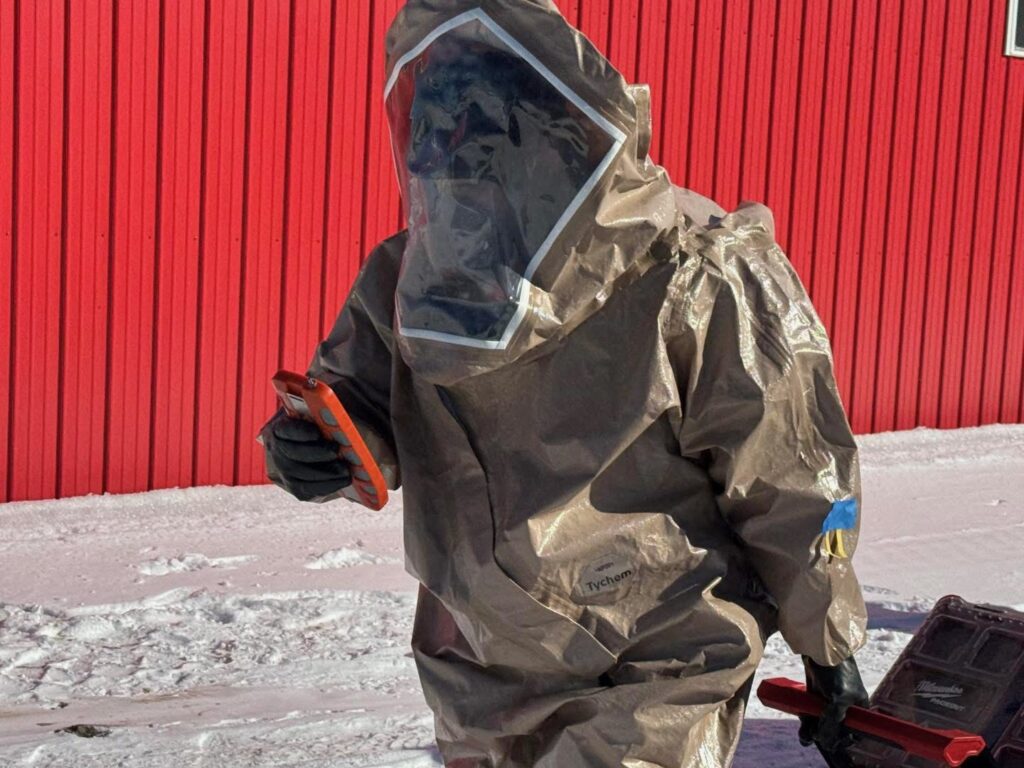
By Phil Ambrose, Battalion Chief (Ret.) and HazSim Founder Your entry team is 30 feet inside a strip mall dry cleaner. The four-gas is showing 4% LEL and climbing. The PID just jumped from 47 to 112 ppm. The radiation monitor is clean. What does your crew do next? If the answer is it depends …
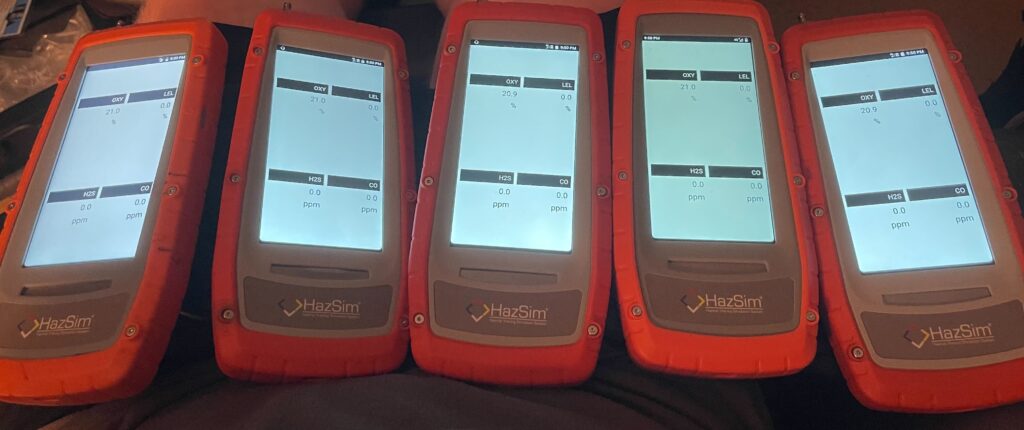
90 Minutes, Three Instruments, Zero Shortcuts: A Hazmat Training Scenario That Actually Works Read More »

How We Train: The Basics

Dangerous jobs require realistic training. The departments that get this right aren’t chasing exotic scenarios. They’re creating experiences where their people have to make real decisions under real pressure, and they’re doing it in a bay on a Tuesday night where the cost of failure is a debrief, not a body bag.

Simulation Training: Preparing for Gas Releases and Hazmat Emergencies

Gas releases remain one of the most dangerous threats for firefighters, mine workers, and industrial responders. A routine call can escalate into an explosion or toxic exposure in seconds — and too often, training falls short. Classroom lessons and tabletop drills can’t prepare teams for the stress of alarms, changing meter readings, and split-second decisions. Simulation fills that gap, offering safe, repeatable, and realistic practice for hazmat and gas monitoring skills. From fireground to mines to refineries, simulation training ensures responders are ready — not surprised.

How Realistic Training Can Prevent Confined-Space Deaths

How Realistic Training Can Prevent Confined-Space Deaths

The recent tragic confined space incident in Colorado that claimed multiple lives is a sobering reminder that we still have work to do. Our hearts go out to the victims and their survivors.  And in California, a worker died while cleaning an underground tank. Other crew members were unable to rescue the victim. Fire and …

How Realistic Training Can Prevent Confined-Space Deaths Read More »

Implementing HazSim V3 with South Australian Country Fire Service (CFS)

HazSim recently completed a virtual implementation with the South Australian Country Fire Service (CFS), enabling hazmat, confined space, and USAR instructors to train in real-time using the HazSim V3 system. This session demonstrated how simulation-based training can be delivered globally—instantly, effectively, and without compromising realism.

HazSim: A Smarter Way to Train for Radiation Incidents

Radiation incidents are high-risk, but training for them doesn’t have to be. HazSim delivers realistic, hands-on radiation training—no props, no exposure, fully customizable. Trusted by fire departments and hazmat teams across the country, HazSim makes it easy to train safely and effectively.