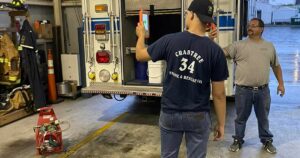
From the Field: Pa. Hazmat Team Trains on Readings, Decon
Formed in 1980, Pennsylvania’s Westmoreland County Hazardous Materials Response Team 800 grew from an initial 15 volunteer members to 70 members today. Still volunteers, the

Formed in 1980, Pennsylvania’s Westmoreland County Hazardous Materials Response Team 800 grew from an initial 15 volunteer members to 70 members today. Still volunteers, the
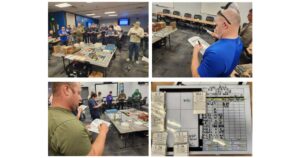
Hazmat Training Debrief will give you a quick recap of interesting hazmat training going on. This week we look at a recent on-scene hazardous materials
HazSim’s revised firefighter training platform, that improves usability for frontline firefighters and training officers, will be on display at Dragertown at the 2023 Fire Department

HazSim and Hazmat Nation hosted its 5th annual networking event at IAFC’s hazmat conference and raised money for the Firefighter Cancer Support Network More than
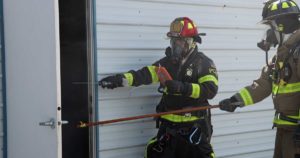
A large Florida hazmat team put their equipment and personnel through ultra-realistic training and made a high-quality video to share with other teams When Polk
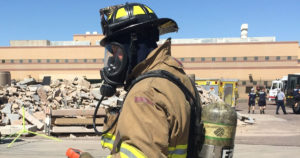
Grant funding is a game changer for many hazmat teams, but nobody ever won a game from the bleachers — you have to take the field.
Here’s a great tool to springboard into refresher hazmat training! Even the most hazmat-phobic firefighter understands that chemical agents are added to odorless natural gas
The FY2021 FEMA Assistance to Firefighters Grants (AFG) opened Monday, January 4th and closes on Friday, February 12th at 5 pm ET, so if you haven’t already
Our profession is complex and dangerous. Oddly, some often need to remind themselves of this. Many of us are not only hazmat professionals but also
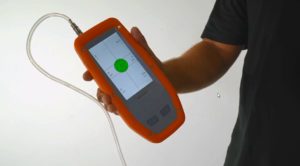
HazSim founder Phil Ambrose originally developed the HazSim Pro to increase the situational awareness of his peers and improve safety training through realistic experiences. The